

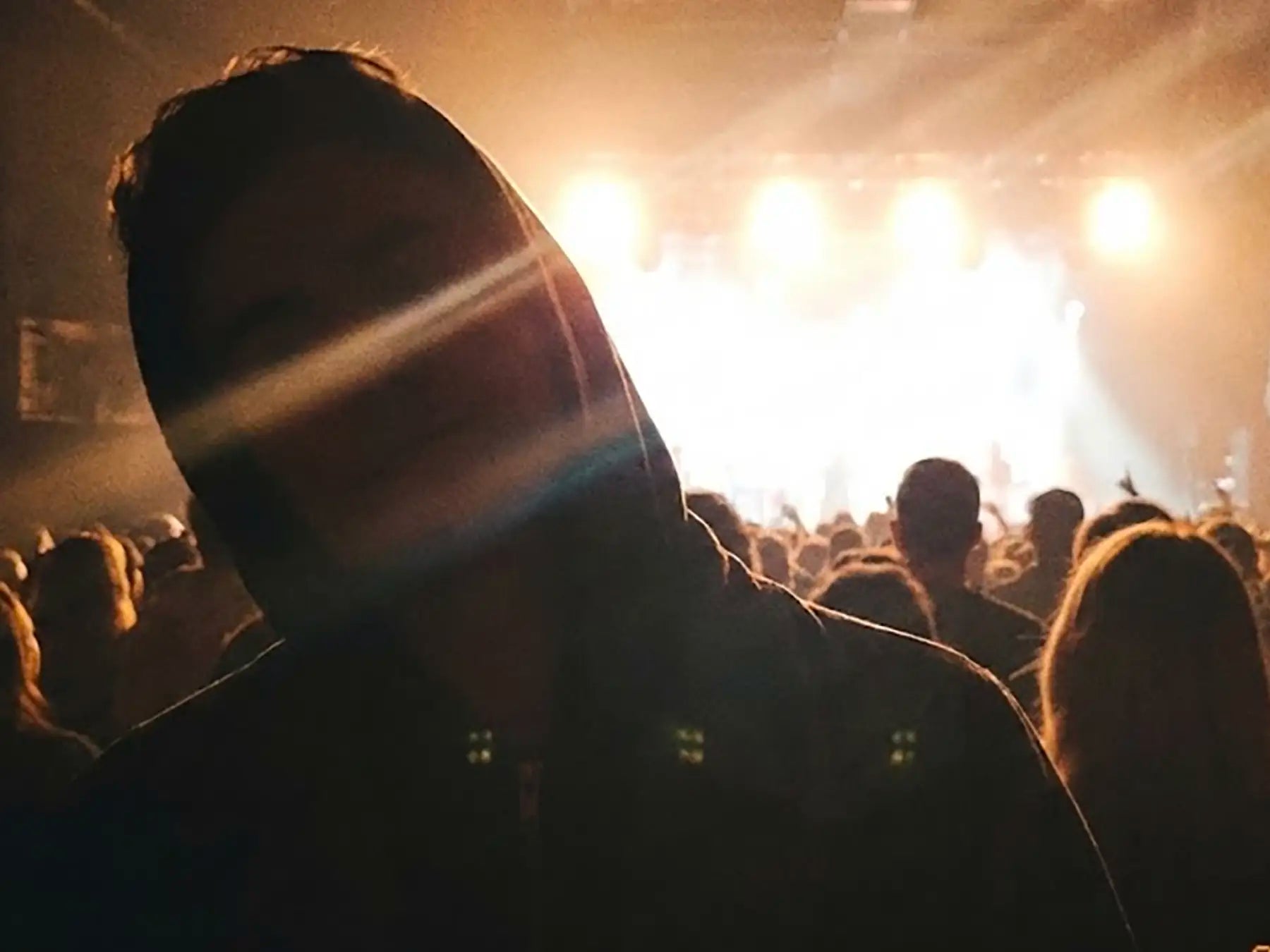
You've been staring at the ticket page for ten minutes. The artist you love is coming to town, the seats are available, and your finger is hovering over the buy button. But something is holding you back.
Nobody else can go. Your friends aren't into this artist, your partner is busy, and you're wondering if it's weird to just... go by yourself.
Here's the truth: solo concerts aren't just fine. They're often better. And once you do it once, you'll wonder why you ever waited around for other people's schedules to align with yours.

This guide is for anyone thinking about taking the leap.
Why People Hesitate to Go to Concerts Alone
Let's name the fears directly, because you're probably feeling at least one of them.
There's the worry about looking awkward standing by yourself. The concern that other people will notice you're alone and judge you for it. The feeling that concerts are supposed to be shared experiences, and going solo means missing out on that.
For women especially, there are safety concerns about being alone at night in a crowded venue or an unfamiliar part of town.
And then there's the simple question of what you'll even do with yourself. Who do you talk to between sets? What do you do with your hands? Will you just stand there feeling weird for three hours?
All of these feelings make sense. We're wired to think of fun as a social activity. But here's the thing: most of these fears don't match reality. The crowd is watching the stage, not scanning the room for people who came alone.
Why Solo Concerts Are Actually Great
This isn't just cope. There are genuine reasons why many dedicated concert goers prefer going alone.
You do exactly what you want. Stand where you want to stand. Leave when you want to leave. Push closer to the stage or hang back by the sound booth. No negotiating, no compromising, no waiting for someone who needs another drink or can't find their phone. (In our Concert Culture Index, we call this person "The Solo," and they're having a transcendent experience while everyone else is coordinating bathroom breaks.)
You experience the music differently. When you're with friends, part of your attention is always on them. You're checking if they're having fun, making comments between songs, sharing looks during the good parts. Alone, there's nothing pulling you away from the music. You're fully locked in.
You meet people if you want to. This sounds counterintuitive, but solo concert goers often end up chatting with strangers more than people who come in groups. When you're already in a friend cluster, you're closed off. When you're alone, you're approachable. The person next to you might become a concert buddy for the night.
Or you can stay completely in your own world. Both are valid.
You prove something to yourself. There's a quiet confidence that comes from doing something alone that felt scary at first. A lot of people say their first solo concert opened the door to solo travel, solo dinners, solo everything. It's a small act of independence that ripples outward.
The memories are fully yours. No "remember when" with someone else. Just you and the music and how it made you feel. There's something pure about that.
Choosing the Right Show for Your First Solo Concert
Not all shows are created equal when you're going alone for the first time.
Venue size matters. Smaller venues can feel more intimate and less overwhelming. Huge arenas give you anonymity, but they can also feel isolating in a different way. Mid-size venues like theaters and ballrooms often hit the sweet spot for a first solo experience.
Seated vs. general admission. If you're nervous, a seated show removes a lot of decisions. You have your spot. You sit in it. Done. General admission requires more confidence about where to position yourself and whether to move around, but it's also more freeing once you're comfortable.
The artist matters most. Go see someone you genuinely love. Not a "maybe I'll check them out" situation. Your excitement for the music will override any awkwardness. When the first notes hit and you're watching an artist you've wanted to see for years, you won't be thinking about whether anyone noticed you came alone.
What to Actually Do at a Solo Show
This is the stuff nobody tells you, and it's probably what you're most worried about.
Where to stand or sit. For general admission, the sides of the stage are underrated. You get good sightlines without being crushed in the center. A few rows back from the barricade is often better than being smashed against it. For seated shows, aisle seats give you a little extra breathing room and an easy exit if you need one. And since you won't have friends to hold your stuff, what you wear matters more when you're solo. Pockets, secure bags, and shoes that can handle the pit become non-negotiable.
What to do with yourself. This sounds dumb, but people genuinely stress about looking awkward. Here's the secret: everyone is awkward between sets. People scroll their phones, get drinks, stare at the stage, shift their weight around. You're not going to stand out. And once the music starts, none of it matters anyway.
Taking photos and videos. Solo shows are actually perfect for this. No one is waiting on you or giving you looks for taking too long to get the shot. Capture what you want to capture. Just be mindful of blocking the view for people behind you.
Talking to strangers or keeping to yourself. Both are completely fine. If you want to chat, the easiest opener is something about the artist. "Have you seen them before?" works every time. If the conversation flows, great. If not, just turn back toward the stage. No pressure either way.
Most people are friendly at concerts. You're all there because you love the same thing.
A Note on Safety
This deserves its own section, especially for women and anyone going to shows in unfamiliar places.
Trust your gut. If something feels off about a person or situation, move. You don't owe anyone an explanation for changing spots.
Know your exits. Not in a paranoid way. Just a quick mental note when you arrive.
Tell someone where you're going. Text a friend the venue and artist. Check in after the show. Basic stuff that helps you relax and enjoy the night.
Security is there for a reason. If someone is making you uncomfortable, flag them down. That's literally their job.
This isn't meant to scare you. Millions of people go to concerts alone every year without incident. But a little awareness lets you stop worrying and start enjoying.
After the Show
You might feel a weird mix of euphoria and loneliness when you walk out. That's normal. You just had an intense emotional experience with no one to immediately debrief with.
The best thing you can do is capture it while it's fresh. Write down the setlist, your favorite moments, where you stood, how you felt during that one song. Future you will be grateful.
The Concerts Remembered concert tracking app is built for exactly this, letting you log shows and build a personal archive of your concert history. If you prefer paper, a concert journal works just as well. We've also got a guide on how to find the setlist if you want to make sure you remember every song.
However you do it, write it down. Solo concert memories are special, and they deserve to be preserved.

FAQs
Is it weird to go to a concert alone?
Not even a little. Look around at any show and you'll see plenty of solo attendees. Most people are too focused on the music to notice or care who came with who.
What if I feel awkward?
You might, for the first 15 minutes. Then the lights go down and the music starts and you forget all about it. By the encore you'll be wondering why you ever hesitated.
Do people notice that I'm alone?
Honestly, no. Everyone is wrapped up in their own experience. They're thinking about whether they can see the stage, whether they should grab another drink, whether the band will play their favorite song. Nobody is scanning the crowd taking attendance of who came with friends and who didn't. People are way too focused on themselves to notice you.
What if I want to leave early?
Leave. That's the beauty of going alone. No guilt, no negotiation, no making someone else miss the encore because you're tired.
Will I have fun?
Yes. Probably more fun than you expected.
Summary
The first solo concert is the hardest. Not because anything bad happens, but because you're pushing past your comfort zone. Once you've done it, you realize how freeing it is.
You stop waiting for other people's schedules. You stop missing shows because nobody else is interested. You start saying yes to more music.
And years from now, when you look back at your concert history, some of your favorite memories might be the ones where it was just you and the artist and a room full of strangers who loved the same songs.
Buy the ticket. Go to the show. You won't regret it, it will be another concert remembered.
Share: